My Heart Attack: A Turning Point

16 May 2023 was meant to be a day of pure celebration for my son’s 18th birthday. Instead, it was overshadowed by emotional bullying from an extended family member who was fully aware of the significance of the day.

The situation became so dramatic that my family found me wandering around our property in distress. But despite the chaos, we enjoyed our special family dinner, choosing to focus on what truly mattered: celebrating my son for the incredible man he is.

The next two days felt ordinary enough. But on 19 May, my life changed in a way I could never have imagined. I had a heart attack. I was 55 years old. The irony is not lost on me that this was also my late father’s birthday, a man who himself had battled heart disease.

I got up that morning to make coffee as normal when I felt an overwhelming pain in my chest. I tried to lie down, but it only grew more intense and so I asked my husband to get me to the hospital. The 25-minute drive was excruciating as the pain peaked, only easing as we arrived.

At the hospital, blood tests were taken. Given the emotional breakdown I’d had days before, we all assumed it was a panic attack. I was given medication, sent home to rest, and told to return later for a follow-up blood test. I almost didn’t go back, but my husband insisted, and so I returned for the second round of tests. As the results were taking time, and I was again ready to go home, the ER doctor confirmed that I had, in fact, had a heart attack and I was admitted to the ICU immediately.

The next morning, I underwent an angiogram, and two stents were inserted. I felt exhausted but relieved, and was discharged later that afternoon. However, as soon as I got home, the excruciating pain returned. We rushed back to the hospital, where I was told I was having another, smaller attack. A second angiogram was scheduled for Sunday morning. On the way to the Cath Lab, I had yet another attack. The cardiologist discovered that some plaque had been left behind, causing the recurring pain.

In total, I spent seven days in the ER. Physically, I survived, but the truth is, the emotional and physical recovery took far longer. It was almost a year before I found anything resembling normal energy again. I had to stop work on many of my projects and spent days and days just lying on the bed. To date, I still need an afternoon rest on most days!

The diagnosis was genetically high cholesterol. This was a profound wake-up call, a reminder to get regular check-ups and to share genetic conditions openly with family. Already, two of my three children have the same condition, including my son, who is also a Type 1 diabetic.

Looking back now, I realise how important it is to listen to your body and never dismiss what feels wrong. Panic attacks and emotional breakdowns are very real, but so are heart attacks, and sometimes they can feel similar. If you’re ever in doubt, don’t delay. Get checked. Go back for that second test. Insist on answers.

Today, I share my story not to frighten, but to encourage. Life is fragile. Stress, grief, and heartache weigh heavily on our bodies, often more than we realise. But with support, medical care, and self-compassion, we can take steps to protect our hearts and live fully.

In some ways, I’m probably a healthier person now than I was before the heart attack, but some things will never be the same and it’s taken a long time to come to terms with that. I often struggle to make the right choices for my health but my family, and my gorgeous grand child, are a fabulous motivator, especially as I want to be a healthy old lady and live to 90!
A Decade-Old Guide to Vintage Collecting  

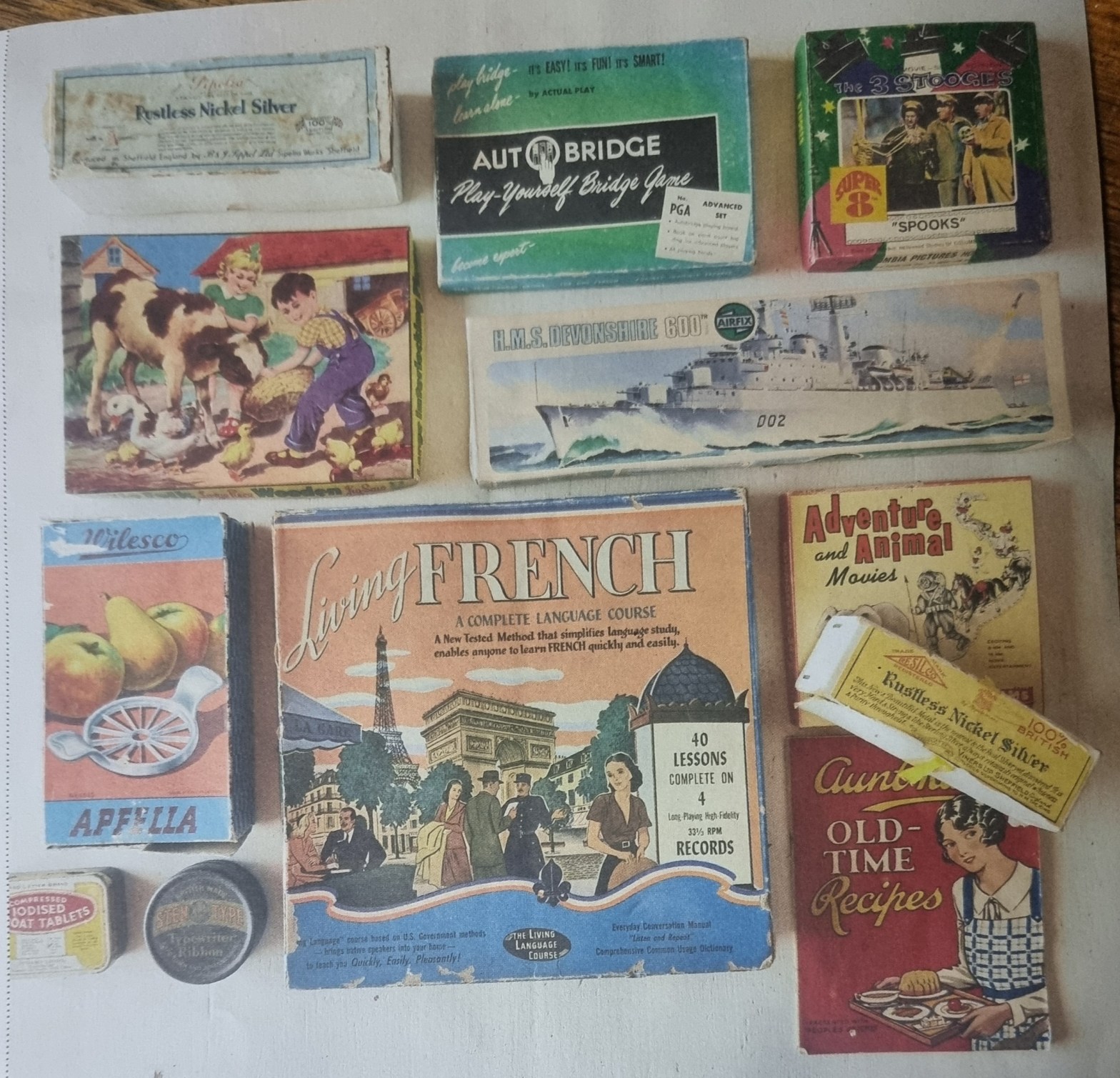
While doing a paper declutter recently, we came across this delightful magazine article from June 2015 and it felt too good to simply toss in the recycling bin – so, we are sharing it today with our readers. 

What struck us most was how timeless the advice remains, even though some of the digital landscape has shifted. While researching the article, we discovered that several of the businesses mentioned are still thriving today – the Rosebank Sunday Market and Amatuli Artefacts are going strong, and the beloved Milnerton Flea Market continues to operate as a firm favourite in Cape Town. However, as often happens with the internet, some of the original website links from 2015 are no longer active, reminding us how quickly our digital world changes while the joy of hunting for vintage treasures remains beautifully constant.  

VINTAGE FEVER Not only is vintage furniture and homeware highly sought after, it’s also a trendy way to fill your home with old-world charm.

by TUNET JORDAAN and TERENA LE ROUX styling DALA WATTS photos ED O’RILEY

MIX AND MATCH

There’s something warmly familiar and inviting about objects of the past. Leo Swanepoel from Johannesburg shop Amatuli Artefacts (amatuli.co.za), a collector and trader with 25 years’ experience, says the appeal of vintage lies in the story behind the object. ‘Our shoppers look for something that has a history – an object, a handwoven piece of fabric, or a craftwork that wasn’t mass-produced in a factory.’

Some of us, if we’re lucky enough, inherit our treasures. However, for the rest of us, sometimes the best story about our furniture is the narrative that tells of our great find. But knowing what to look for is key.

SEMANTICS

There’s a big difference between antique, retro and vintage furniture or homeware, says Cape Town antiques dealer Sue Langerman, who specialises in homeware and small furniture pieces (facebook.com/pages/Sue-Langerman-Vintage-Collectables). ‘Antique items are over 100 years old, while vintage objects have to be more than 20 years old. The word ‘retro’ came into use around 1970, and if something is retro it is not necessarily old, but has some kind of nostalgic feel about it.’

‘Another thing that distinguishes antique, retro and vintage items from each other is price. Antiques are predominantly handmade from the finest materials with the price based on rarity and desirability.’

BUYER BEWARE

Before you buy your chosen piece, Leo and Sue warn that wooden furniture should be checked for woodworm. Small round holes can usually be seen in infested pieces and it should be treated to prevent further damage. Sue says the item should be structurally sound or it could become unsafe.

Leo says to look for brand stickers that indicate the maker of the piece as they could add to the item’s value.

LIKE NEW

Vintage pieces can be upcycled to give them a personal touch. Upcycler and founder of REcreate in Cape Town Katie Thompson (facebook.com/recreate.co.za.net), says that all upholstery and carpentry work should be done by a professional to ensure that the life of the vintage piece is prolonged further. And for a fresh new look Leo loves to add a lick of paint.

Johannesburg vintage lover and stylist blogger Angie Batis (anamniducky.co.za) sums up the appeal of buying vintage quite simply: ‘they are reminders of the past and how beautiful everyday items were then. We couldn’t agree more!’

DIGGING FOR TREASURE

Ardent collector Gary Watts from Bloubergrant, Cape Town tells how his friends used to collect football cards during his primary school days in England. He realised that the minute the package was opened, the cards lost all their value. So he went off to a jumble sale to find something that would not devalue. There, at the age of nine, he bought his first piece of fine English porcelain – to this day still his favourite thing to collect.

‘I don’t ever go online,’ he says. ‘The best way is getting to know the collectors and sellers one on one and building relationships. That way you end up not only finding your own treasures, but you also keep an eye out for other people’s specialities. If you are really keen to find good stuff, sleeping late on market days is not an option. When I go to the Milnerton Flea Market, I’ll be there by 6am, together with a lot of vintage shopkeepers coming to pick out the cream of the crop. But once you know the vendors well, they’ll keep you stuff.’

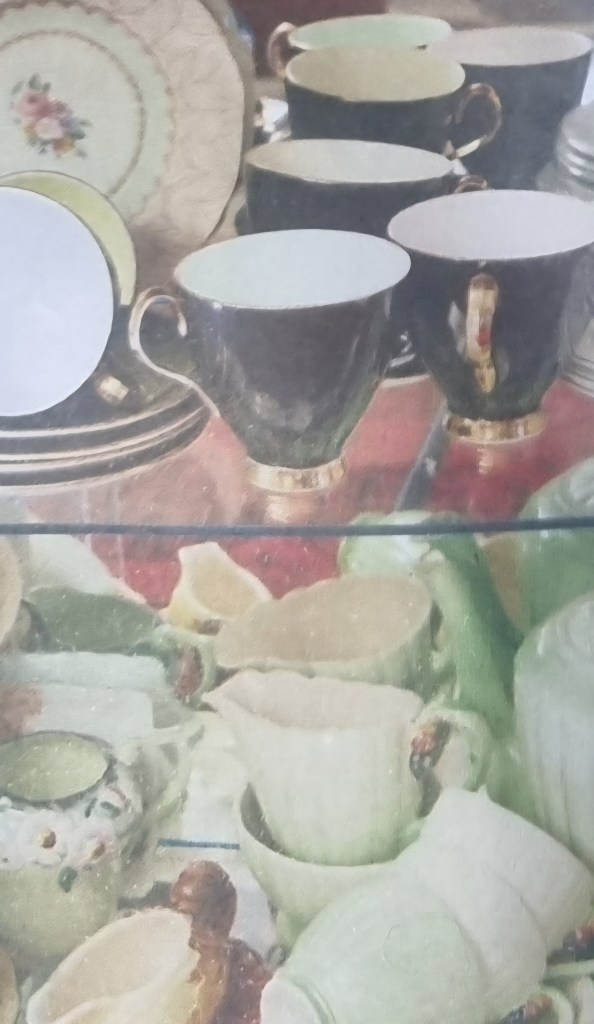
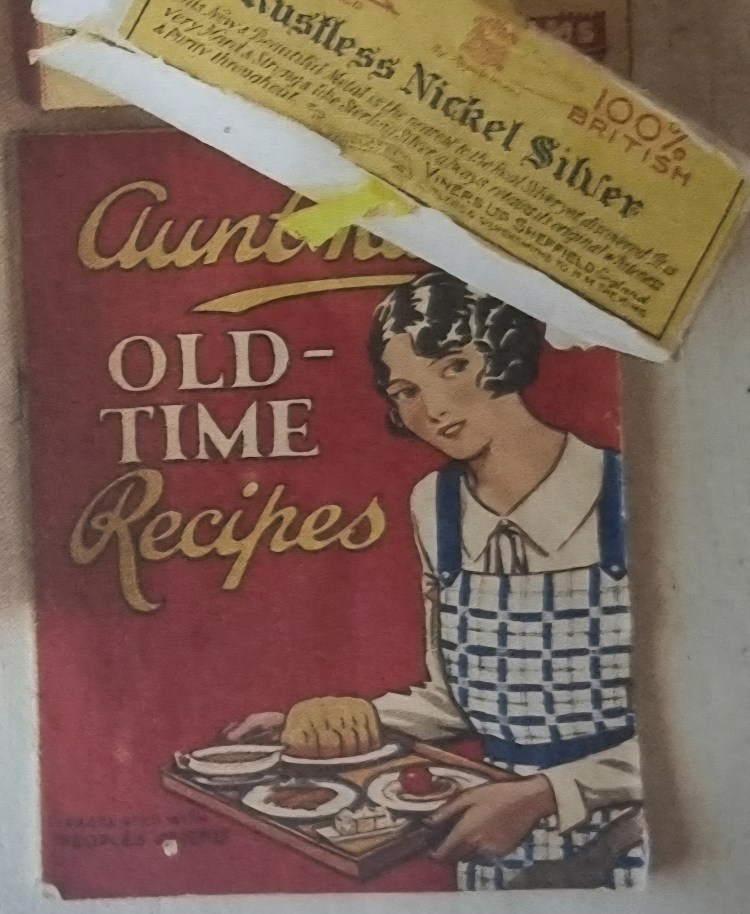
What ceramics does he look out for? ‘I love brands like Shelley for the designs and patterns, and Paragon as I grew up with it. My great-grandmothers had lovely pieces. But these days I’m more intrigued by the retro scene. It makes me feel old to think how we got rid of our old record players to buy CDs and now vinyl is so popular again. It’s a life pattern – what your grandparents threw away, you yearn for later.’ His most recent finds include a small black-and-white box TV set, a pink typewriter and 1950s knitting needles still in their original packaging. ‘Often it’s not the contents that count, but the packaging!’

Does a chip in a plate devalue it for you? ‘Not at all,’ Gary says. ‘It’s too well looked after, it almost spoils it. Fashion today permits a faded pattern and the odd chip. And the great thing is that people love a mix of plates and patterns so you don’t need to find a set – only one or two is also good. In fact I miss the old-fashioned church fêtes where one could find these things.’

For Gary it’s not only in the finding of little treasures that the fun lies. He loves all of research to see what things are worth and what their story is. ‘And even the books are fun. Sometimes you look at a 1980s book on collectables and know they were just so much more valuable then.’

And his favourite haunts? ‘Local markets are the best, wherever you can find one. And then there are charity shops. I was so intrigued by the Eric Miles Cheshire Home that I now volunteer there. But there are many others like the Salvation Army shops and the hospice shops and if you scratch long enough in any of them, you will find your treasure.’

SOME SHOPS & MARKETS TO VISIT

  • Milnerton Flea Market, Cape Town, milnertonfleamarket.co.za
  • Rosebank Sunday Market, Johannesburg, rosebanksundaymarket.co.za
  • Bellbottoms, Pretoria, antiquepretoria.co.za/s. Bellbottoms.html
  • The Irene Village Market, Pretoria, irenemarket.co.za
  • HospiceWits Parkmore shop, Johannesburg, hospicewits.co.za
  • Vamp Furniture, Cape Town, vampfurniture.co.za

June 2015 IDEAS 91-93

Why Cape Town Markets Are Thriving: A Community Love Story

Cape Town’s market scene is experiencing an incredible renaissance, and it’s not hard to see why. From bustling weekend markets with their “eats, beats, and arts and crafts” atmosphere to intimate community gatherings, markets have become the heartbeat of our communities. But what’s driving this market revolution, and why are both vendors and shoppers falling in love with this age-old way of trading?

The Magic Formula: Why Markets Work for Everyone

For Shoppers: An Experience, Not Just a Transaction

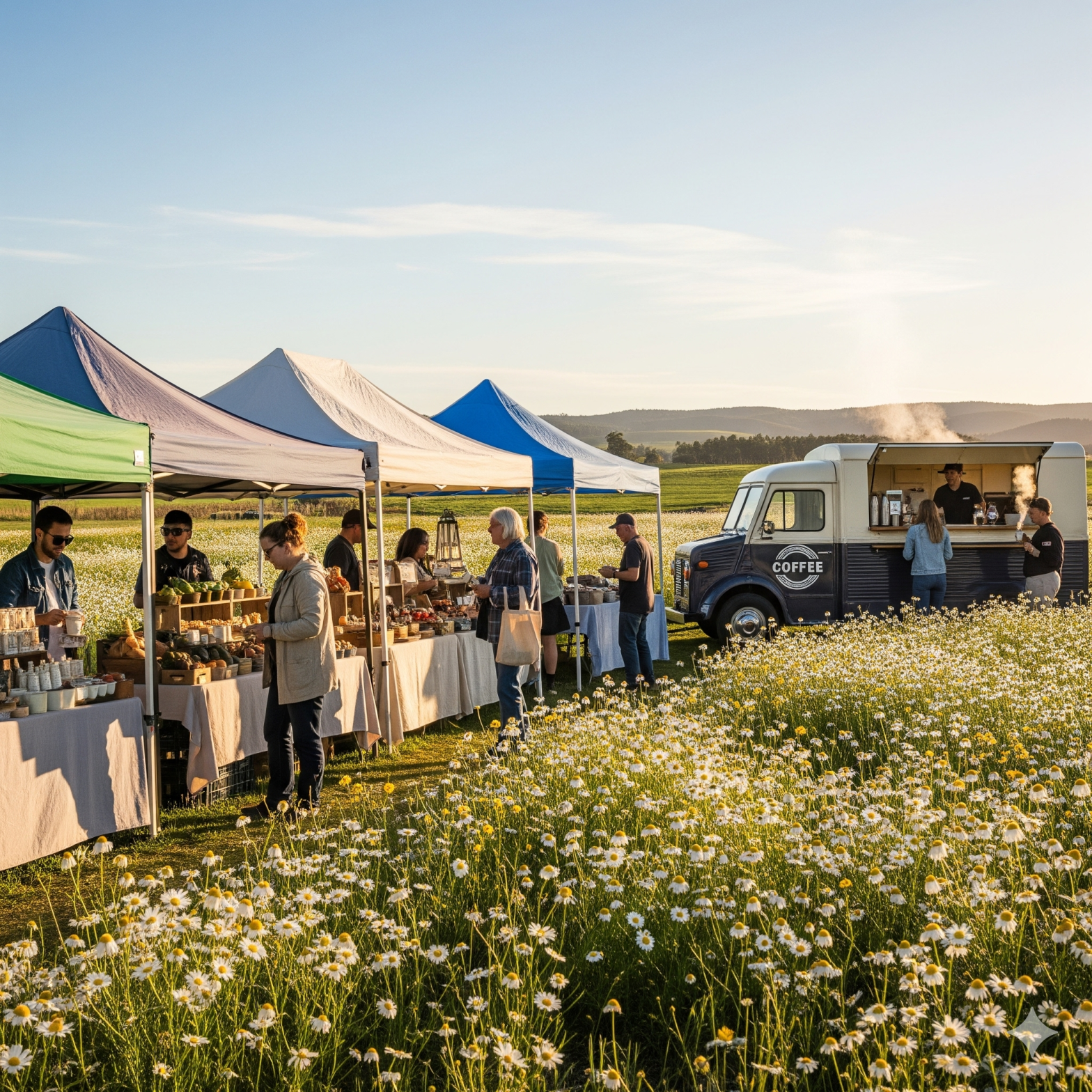
Modern consumers are craving authentic experiences over sterile retail encounters. Cape Town’s markets deliver this in spades. When you stroll through a local market, you’re not just shopping – you’re embarking on a sensory adventure. Delicious food and treats, a buzzy vibe and space for children and pets to play create an atmosphere that department stores simply can’t match.

Markets offer something increasingly rare in our digital age: genuine human connection. Shoppers can chat with artisans about their craft, sample homemade preserves before buying, and discover unique items they’d never find online. It’s shopping with a story, where every purchase supports a real person’s passion project or family business.

The variety is extraordinary too. At a single market event, you might find everything from hand-crafted items, second-hand clothing, trinkets and gadgets for children, loads of delicious baked goods, safety key chains, artisanal creations, fresh fruit and vegetables, jams and pickles, mixed art, and plenty of gift ideas. This treasure-hunt aspect keeps shoppers returning, never quite knowing what delightful discovery awaits.  

For Vendors: A Platform for Dreams

For small business owners and artisans, markets provide something invaluable: access to customers without the overhead of a permanent retail space. Whether you’re a baker perfecting your recipes or an artist showcasing wire sculptures, markets offer a low-risk way to test products, build a customer base, and generate immediate cash flow.

The community aspect is equally important for vendors. Markets create networks of mutual support where businesses can cross-promote, share resources, and learn from each other. Many vendors report that their best business relationships started at market stalls, leading to collaborations, bulk purchasing opportunities, and referral networks that extend far beyond market days.

Markets also provide flexibility that traditional retail can’t match. Vendors can choose their level of commitment – participating in weekly markets, seasonal events, or one-off community gatherings based on their capacity and business goals.

For Communities: The Social Glue

Markets have become community catalysts, bringing neighbours together in a way that online shopping never could. They create shared experiences and local pride. Children can enjoy fun activities, families can spend entire mornings browsing and socialising, and everyone can indulge in delicious food options while celebrating local talent and entrepreneurship. 

These gatherings strengthen local economies by keeping money circulating within neighbourhoods rather than flowing to distant corporations. They also provide platforms for community information sharing, local cause awareness, and social connection that builds stronger, more resilient neighbourhoods.

Why Markets Have Become the New Shopping Destination

Authenticity in an Artificial World

In an era of mass production and global supply chains, markets represent authenticity. Shoppers know they’re supporting real people, not faceless corporations. There’s a satisfaction in buying honey from the beekeeper or bread from the baker that Takealot can’t replicate.

Value and Quality

Many market vendors offer superior quality at competitive prices because they eliminate retail markups. Fresh produce is often picked the same morning, baked goods come straight from home kitchens, and handcrafted items are made with care rather than churned out by machines.

The Experience Economy

Modern consumers increasingly value experiences over possessions. Markets deliver both – the experience of discovery, social interaction, and community participation, plus the satisfaction of finding unique items with stories attached.

Supporting Local Economy

There’s growing awareness that supporting local businesses creates jobs, builds community wealth, and reduces environmental impact. Markets make this easy and enjoyable, turning ethical consumption into a pleasant social activity.

The Future of Markets in Cape Town

As Cape Town continues to grow and evolve, markets are positioned to play an increasingly important role in community life. They offer solutions to modern challenges: supporting local economic development, providing affordable retail opportunities, creating community gathering spaces, and offering authentic experiences in an increasingly digital world.

Whether you’re a community group, an established venue, or a business network, the market model offers proven benefits for vendors, shoppers, and communities alike. The Cape Town market scene is thriving because it serves fundamental human needs: connection, community, authentic experience, and mutual support./i

The Magic of Creativity, Courage, and Community

Meet Rene (“Heksie”)

Rene Steyl’s journey is one of determination, reinvention, and embracing her own unique identity. Her nickname “Heksie,” a term of endearment from childhood, has stayed with her through the years. When it came time to name her business, she wove that piece of personal history into what is now Heksie’s Emporium.

Her story began with a big move to Cape Town and a desire to create something meaningful. What started as selling Avon products to help make ends meet has grown into a dynamic, multi-service business – one that reflects not just her talents but her passion for empowering others.

At the heart of Heksie’s Emporium is Rene’s creative flair. Her Beauty Blog is filled with tips, trends, and inspiration, offering readers fresh ideas to express their style and confidence. Alongside this, she crafts eye-catching marketing materials that help others showcase their own products and services with professionalism and personality.  

Behind-the-Scenes

Heksie’s Emporium is a busy, colourful hub where every day is different. Orders are placed and packed with care, team members are coached through their first sales, and customers are greeted like friends. Helping her keep it all running smoothly is her mom, her “behind-the-scenes hero”, who handles deliveries and collections so Rene can focus on growing the business. It’s a perfect blend of family teamwork, entrepreneurial grit, and a dash of creative magic.

Why It Matters

Small businesses like Heksie’s Emporium are more than income streams, they’re engines of connection, skill-building, and confidence. Rene’s story shows what’s possible when someone combines creativity with courage and spirit. She’s not just building her own business; she’s creating a platform where other women can find their voice, earn on their own terms, and take pride in what they achieve.

Could This Be You

If you’d like to explore Rene’s offerings, join her Avon team, or see what’s new on her Beauty Blog, visit Heksie’s Emporium. You can also connect with her directly at 📞 +27 73 191 1576 or on her Facebook page

The Heart Behind a Memory Bear

Linda Smith, Denimals

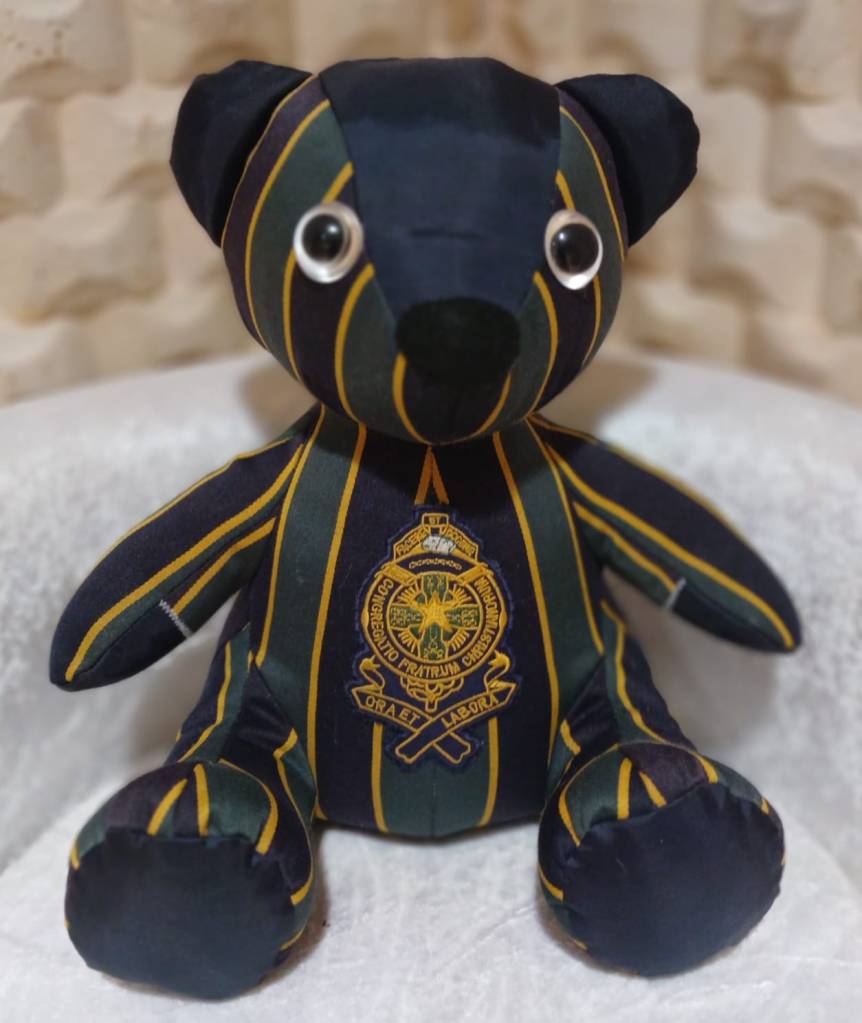
A memory bear is a beautiful way to preserve the fabric of a special moment or a loved one’s life, transforming it into something you can hold close forever. Whether it’s your favourite uncle’s shirt, granny’s dress, or your baby’s first babygro, these treasured fabrics become unique keepsakes, memory bears, pillows, or soft toys that you will cherish for years to come.

More than just a teddy, a memory bear carries a story stitched with love, care and meaning. Made from clothing or fabric that holds precious memories, it might be a favourite shirt or a blanket that once brought comfort and warmth.

When someone dear is no longer with us, we often long for something tangible to keep their presence close to us. Memory bears offer exactly that. They take fabric once folded away in a cupboard and transform it into something you can see, touch and cuddle. In times of loss, they bring quiet comfort, reminding us of smiles, laughter and moments shared, memories that will never fade from the heart.

Behind each memory bear is a seamstress who pours her heart and soul into every single stitch. She feels the weight of each story entrusted to her, understanding that these fabrics carry more than just colours and textures. They carry love, joy, loss, and connection. As she works, she honours those emotions, treating every cut and seam with tenderness and care. In her hands, a piece of clothing becomes a vessel for memories, a keepsake filled with the spirit of the person it represents.

These bears are also a way to celebrate life’s milestones. They can be made to match a baby’s birth weight or dressed in miniature versions of a school uniform. They can be given as gifts, passed from one generation to the next, or kept as a personal reminder of someone you love.

Every memory bear tells a story. It transforms treasured fabric into a keepsake that will be cherished for years to come. Holding one is like holding a piece of the past, while keeping the memory alive in the present.  It’s where love, loss and remembrance come together in the softest embrace.

For a truly heartfelt keepsake, contact Linda Smith of Denimals at 073 846 7512 or visit her Facebook page to find out how to create your own memory bear.