This past Sunday night, I was reminded (yet again) just how unpredictable life can be.
It had been a beautiful day. We were celebrating my daughter’s birthday – a gorgeous day filled with laughter, family, and all the warmth I could ask for. Later that afternoon, a friend dropped by for coffee, and as we sat chatting, I felt my heart start racing. I’ve had ad hoc palpitations since being diagnosed with PSVT*, so I brushed it off. I’d seen this episode before and thought I knew the ending.
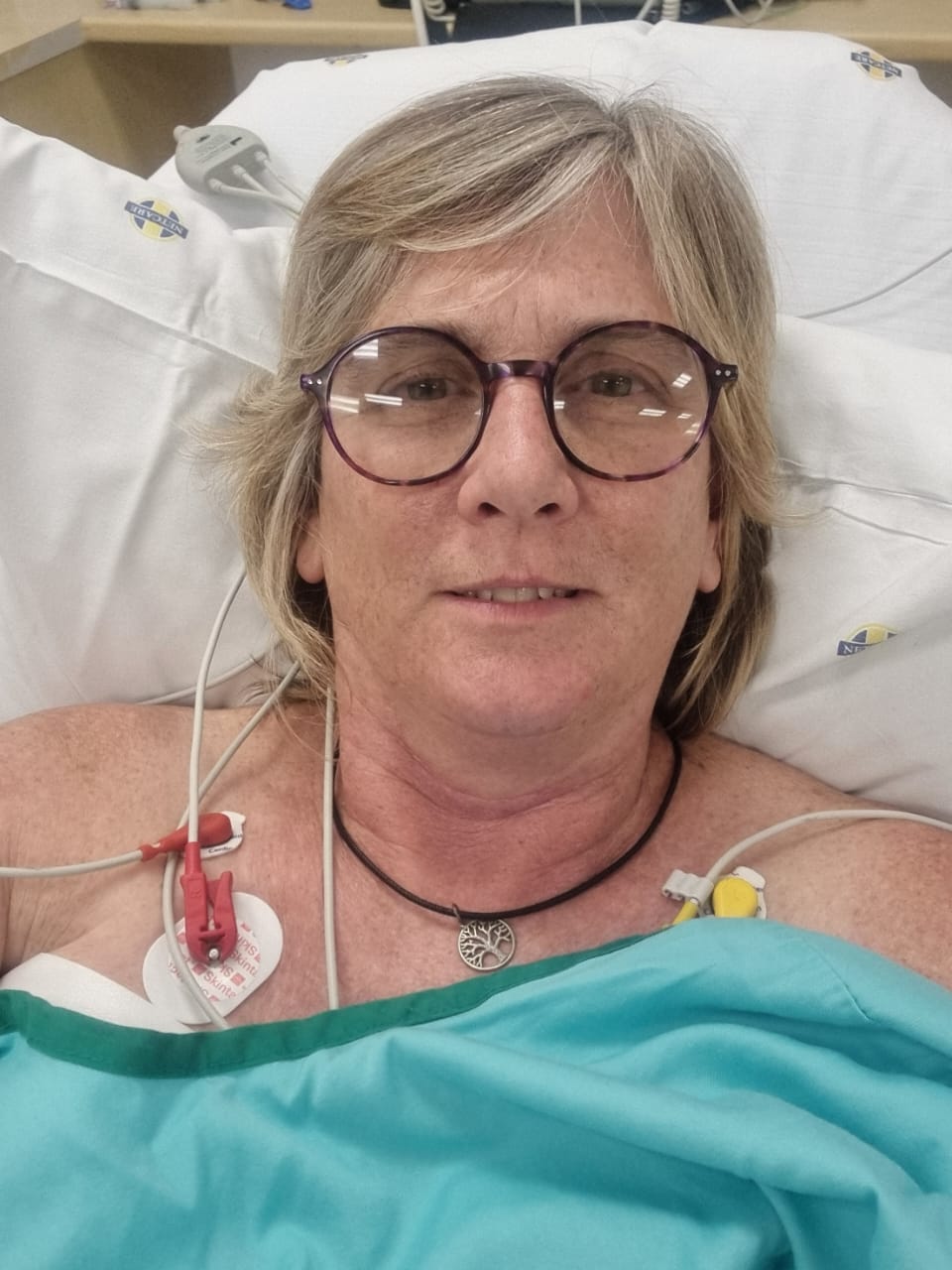
After my friend left, I lay down for a bit, even caught up on a little admin work, and reflected on my beautiful family and the time we’d shared together. But I couldn’t relax. My heart was still racing, so I took half an Alzam, hoping to calm both my mind and my heartbeat. About an hour later, after no change in how I felt, I reached out to The Wellness Sister for support, but within the hour Andy had taken me to hospital. The best way I could describe my feeling was that “my heart felt like a galloping train”.
The “benefit” of being a cardiac patient is that you are taken straight through to the trauma unit. I still recall one set of eyes from a patient who had obviously been waiting a long time, and in that moment, I felt so guilty.
What happened next still feels surreal. After an ECG, I expected to be given a drip to stabilise me, but the medical team excitedly told me they would stop my heart and restart it again. (This was a fun evening for them!) Goodness, I still can’t believe that’s what happened – it was wild, but also so successful. After the restart (or reboot), I immediately felt so much better.
The next few days have been all about recovery, both physical and mental. It’s strange how something that happens inside your body can shake your confidence so completely. I felt (and still feel) so vulnerable and fragile. The exhaustion is deep – the kind that feels like it lives in your bones.
When they use adenosine to stop the heart for a few seconds, it momentarily resets the heart’s electrical system. Even though it’s medically controlled and very safe, the autonomic nervous system, which manages the heart rate, blood pressure, and stress hormones, experiences it as a kind of “reboot.” Afterward, it takes time for that system to rebalance, and during that time a person can feel utterly drained, shaky, or even a bit detached. I certainly have!
Before and during the episode, the body is flooded with adrenaline and cortisol (the same stress hormones that surge when you’re in danger) and once everything calms down, those levels drop sharply. What follows is a classic post-adrenaline crash: deep fatigue, emotional flatness, and a sense that your energy tank is empty.
Reading more about SVT and the chemical cardioversion helped me understand what had happened, and that understanding helped me forgive my body a little. My body isn’t weak; it was doing its best to cope with the load I’ve been carrying most of this year: financial stress, emotional strain, and the constant “push through” mentality. Sometimes, it pushes back.
This experience has reminded me once again that health is not a destination; it’s a daily dialogue between body, mind, and heart. I’m learning to listen more gently, rest more intentionally, and give myself grace in the moments when everything feels too much.
* Paroxysmal Supraventricular Tachycardia (PSVT) is a type of arrhythmia that makes the heart beat abnormally fast. You can actually see what it looks like in this fascinating YouTube video. My rhythm looked just like the “Ventricular Tachycardia” example shown.
8 ECG rhythms through the medium of dance
Discover more from Cuppa Daisies
Subscribe to get the latest posts sent to your email.
 Cuppa Daisies